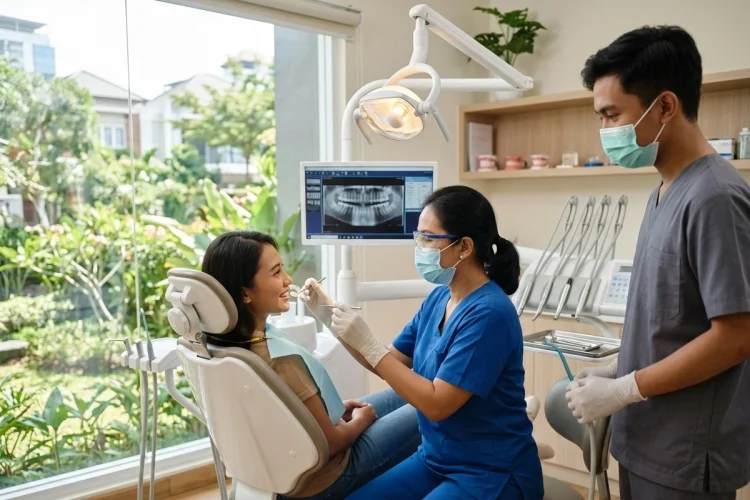
Sitting in a dental chair can feel slightly intimidating, especially when you are not sure what the dentist is looking for or why different instruments are being used. The good news is that a routine appointment is usually straightforward, comfortable, and focused on prevention.
So, what happens during a routine dental checkup? The dentist generally reviews your medical and dental history, examines your teeth and gums, checks the soft tissues inside your mouth, and discusses any symptoms or concerns.
Depending on your needs, the visit may also include dental X-rays, a professional cleaning, fluoride treatment, or advice about improving your oral hygiene.
A checkup is not only about finding cavities. Dentists also look for gum disease, damaged restorations, tooth wear, bite problems, infections, and unusual changes that may require further investigation.
Understanding each stage can make your next appointment feel less mysterious. It can also help you prepare useful questions and play a more active role in protecting your oral health.
Checking In and Updating Your Health Information
Your appointment usually begins with a review of your personal information and medical history. A new patient may need to complete a detailed form, while returning patients are often asked whether anything has changed since their previous visit.
Tell the dental team about medical conditions, allergies, pregnancy, recent surgery, and all medicines or supplements you take. Some practices may also check measurements such as blood pressure or pulse before beginning treatment.
This information matters because general health and dental care can affect one another. Certain medicines may cause dry mouth, for example, while conditions such as diabetes may increase the risk of gum problems.
You should also mention dental symptoms, even when they seem minor. Sensitivity, jaw clicking, bleeding gums, dry mouth, headaches, bad breath, and discomfort when biting can provide important clues.
Discussing Your Dental Concerns and Daily Habits
Before examining your mouth, the dentist may ask whether you have experienced pain, swelling, sensitivity, broken teeth, or changes in your bite. This is a good opportunity to explain exactly when a symptom began and what makes it better or worse.
You may also be asked about brushing, interdental cleaning, diet, smoking, alcohol consumption, and previous dental treatment. These questions are not meant to judge you.
They help the dentist understand your risk of cavities, gum disease, enamel erosion, and other oral conditions.
NHS guidance states that a dental checkup commonly includes questions about general health, oral symptoms, eating habits, tobacco, alcohol, and tooth-cleaning routines.
Be honest about your routine. Saying that you floss every night when you rarely do makes it harder for the dental team to give useful, realistic advice.
Examining Your Teeth, Fillings, and Bite
The dentist will use a small mirror, bright light, and dental probe to examine the surfaces of your teeth. They look for visible decay, cracks, worn enamel, staining, food traps, and areas that feel unusually soft or rough.
Existing dental work is checked as well. Fillings, crowns, bridges, implants, and other restorations can wear, loosen, or develop gaps where plaque and bacteria collect.
The dentist may ask you to bite your teeth together or move your jaw from side to side. This can reveal uneven contacts, changes in your bite, tooth movement, or signs of clenching and grinding.
Not every small mark requires treatment. Some stained grooves are healthy, while early enamel changes may be monitored or managed preventively. The dentist combines visual findings with your symptoms, history, and any necessary imaging before making a diagnosis.
Checking Your Gums for Gingivitis and Periodontitis
Your gums are an important part of the examination. The dentist or dental hygienist will look for redness, swelling, bleeding, recession, plaque, and hardened tartar around the gumline.
They may use a thin measuring instrument called a periodontal probe. It is gently placed around each tooth to measure the spaces between the tooth and gum, known as periodontal pockets.
Deeper pockets, bleeding during measurement, gum recession, and bone loss may indicate periodontitis. This advanced form of gum disease can become serious before a person notices clear symptoms, making routine assessment especially valuable.
Do not be embarrassed if your gums bleed during the examination. Bleeding provides useful information about inflammation and helps the dental team plan appropriate cleaning, treatment, or monitoring.
Screening the Mouth, Lips, and Neck
A dental checkup is not limited to the teeth. The dentist may examine your tongue, cheeks, palate, floor of the mouth, throat, lips, jaw, and neck.
They look for sores, lumps, swelling, unexplained red or white patches, and other unusual changes. The dentist may also gently feel beneath your jaw and along your neck to check for tenderness or enlarged areas.
A routine visit provides an opportunity for an oral cancer examination. According to the National Institute of Dental and Craniofacial Research, this painless check usually takes only a few minutes and may include the face, neck, lips, entire mouth, and back of the throat.
Most mouth ulcers and irritated areas are not cancer. However, a sore, lump, or patch that does not heal should be professionally assessed rather than ignored.
Will You Need Dental X-Rays?
Dental X-rays help reveal conditions that cannot always be seen during a visual examination. These may include cavities between teeth, bone loss, infections around tooth roots, impacted teeth, or problems beneath restorations.
However, X-rays are not automatically taken at every routine visit. The dentist should consider your age, oral health, previous images, symptoms, disease risk, and treatment needs before recommending them.
The American Dental Association states that there is no single X-ray schedule for every patient. Its updated recommendations emphasize that dental imaging should be ordered only when clinically necessary for diagnosis or treatment.
Someone with active decay or unexplained pain may need images sooner than a low-risk patient with no symptoms. Feel free to ask why an X-ray is recommended and what information the dentist expects it to provide.
Does a Checkup Always Include Teeth Cleaning?
A dental examination and professional cleaning are related, but they are not exactly the same procedure. Some practices schedule both services together, while others arrange separate appointments with a dental hygienist.
During a standard cleaning, plaque, tartar, and some surface stains are removed from the teeth. The hygienist may use hand instruments or an ultrasonic device, then polish the tooth surfaces.
Tartar is hardened plaque that cannot be removed by normal brushing or flossing. Professional instruments are required to clean it safely from the teeth and gumline.
A routine cleaning is different from scaling and root planing, often called a deep cleaning. Deep cleaning extends below the gumline and is used to treat periodontitis rather than simply maintain a healthy mouth.
The amount of cleaning required depends on plaque buildup, gum condition, oral hygiene, and how long it has been since your last professional visit.
Reviewing the Results and Treatment Options
After the examination, the dentist should explain what they found. You may be told that everything looks healthy, or the dentist may identify an area that needs monitoring, preventive care, or treatment.
Possible recommendations include improving brushing technique, cleaning between the teeth more effectively, changing dietary habits, using fluoride products, repairing a filling, treating gum disease, or arranging another diagnostic appointment.
Ask the dentist to show you the problem using a mirror, photograph, model, or X-ray. Understanding where the issue is and why treatment is suggested makes it easier to make an informed decision.
When treatment is needed, ask about the available options, likely benefits, possible risks, cost, and what may happen if the problem is left untreated. You should also know whether the procedure is urgent or can be scheduled later.
Planning Your Next Dental Visit
Before you leave, the dentist will usually recommend when to return. This may be for treatment, professional cleaning, monitoring, or another routine examination.
The ideal interval is based on your personal risk rather than a universal timetable. People with active gum disease, frequent cavities, dry mouth, or complex restorations may need closer monitoring than those with consistently healthy teeth and gums.
Do not wait until the next scheduled checkup when a new symptom appears. Persistent toothache, swelling, a broken tooth, worsening sensitivity, or an unusual mouth lesion should be assessed earlier.
Between appointments, brush twice daily with fluoride toothpaste and clean between your teeth regularly. Routine visits are valuable, but they work best when combined with consistent home care.
A routine dental checkup usually includes a health review, discussion of symptoms and habits, and a careful examination of the teeth, gums, bite, and soft tissues of the mouth. Dental X-rays or professional cleaning may also be included when they are clinically appropriate.
The goal is not simply to search for cavities. Regular examinations can identify gum inflammation, damaged restorations, infections, tooth wear, and unusual oral changes before they become more difficult to manage.
Prepare for your next appointment by noting any symptoms, updating your medication list, and bringing questions about your oral-care routine. Book a checkup when it is due, and contact your dentist sooner whenever pain, swelling, bleeding, or another persistent change appears.