Hearing that you need a filling can sound worrying, especially when your tooth does not hurt. You may wonder whether treatment is really necessary, what the dentist will do, and whether the repaired tooth will still look and feel natural.
So, what is a dental filling and when is it needed? A dental filling is a restorative treatment used to replace part of a tooth that has been damaged by decay, wear, a small fracture, or another minor problem.
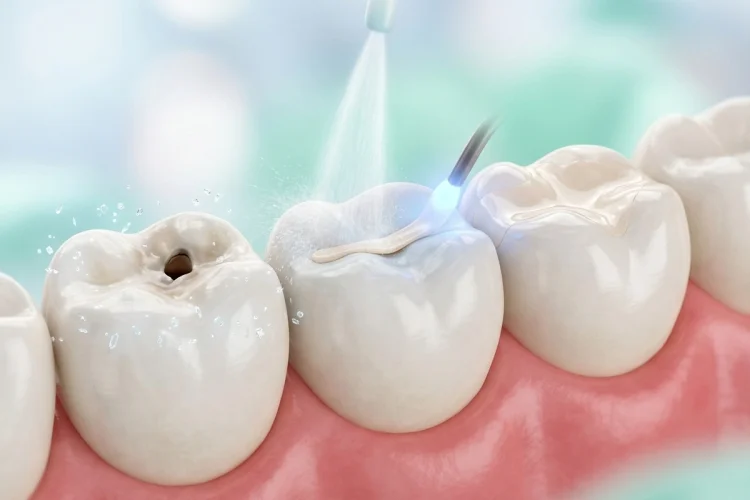
The dentist removes or manages the damaged tissue, cleans and prepares the area, and places a filling material to rebuild the tooth’s shape and function. Fillings are most commonly associated with cavities. However, not every early sign of decay automatically needs drilling.
Enamel that has begun losing minerals but has not yet developed a physical hole may sometimes be managed with fluoride, improved oral hygiene, dietary changes, and monitoring. Once a cavity has formed, a restoration is usually required.
Understanding the process can make your appointment feel much less intimidating.
What Exactly Is a Dental Filling?
A dental filling is a material placed into a prepared area of a tooth to replace structure that has been lost or damaged. It seals the space, restores the tooth’s shape, and allows you to bite and chew more comfortably.
Fillings also help protect the inner layers of the tooth. When a cavity is left open, bacteria and food debris can continue entering the damaged area, allowing decay to move closer to the nerve-containing pulp.
The treatment does not make the tooth immune to future problems. Plaque can still collect around the edge of a restoration, and new decay can develop if the area is not cleaned properly.
A filling is usually suitable when enough healthy tooth structure remains to support it. If a large portion of the tooth is missing, the dentist may recommend a stronger restoration such as an inlay, onlay, or crown.
When Is a Dental Filling Needed?
1. A Cavity Has Formed
The most common reason for a filling is a cavity caused by tooth decay. Decay begins when plaque bacteria produce acids that gradually remove minerals from enamel.
Early mineral loss may appear as a white or dull area without a physical opening. At this stage, fluoride can sometimes stop or reverse the process.
If the enamel surface breaks down and creates a hole, the missing structure cannot grow back naturally, so a filling is commonly needed.
Cavities do not always hurt at first because enamel contains no nerves. A dentist may discover one during a routine examination or through an X-ray before you notice any symptoms.
2. A Tooth Is Chipped, Cracked, or Worn
Fillings can also repair certain small chips, fractures, or areas of wear. For example, someone who grinds their teeth may gradually lose part of the biting surface, while biting a hard object may break a corner from a front tooth.
Whether a filling is appropriate depends on the size and position of the damage. A minor defect may be rebuilt with composite resin, while a deep crack or heavily weakened tooth may require a crown or another form of treatment.
3. An Older Filling Is Damaged
Dental restorations experience pressure every time you chew. Over the years, a filling may wear down, chip, loosen, or develop a gap around its edge.
A damaged restoration can allow plaque and bacteria to collect beneath or beside it. The dentist may replace the filling if it no longer seals the tooth properly or if new decay has developed around it.
Signs You Might Need a Filling
A cavity may cause sensitivity to cold, heat, or sweet foods. You might also notice discomfort when biting, a rough area, a dark spot, a small hole, or food repeatedly becoming trapped in the same place.
However, these symptoms are not specific to cavities. Sensitivity can also result from gum recession, worn enamel, a loose restoration, or a cracked tooth.
Some cavities produce no obvious warning signs. Decay between neighboring teeth, for example, may remain hidden until it appears on an X-ray or becomes large enough to cause discomfort.
Book a dental examination when sensitivity persists, a tooth feels different, or an existing filling appears broken. Waiting for severe pain may allow a relatively small problem to progress into an infection requiring root canal treatment or extraction.
What Happens During the Filling Procedure?
The appointment normally begins with an examination and, when necessary, a dental X-ray. The dentist will assess how deep the damage extends and decide whether a filling is the most suitable treatment.
Local anaesthetic may be used to numb the tooth and surrounding gum. You may feel pressure or vibration during treatment, but the area should not feel sharply painful.
The dentist then removes the damaged tooth tissue or prepares the cavity using instruments selected for the situation.
Current evidence-based guidance supports conservative approaches that preserve as much healthy tooth structure as reasonably possible. In some moderate or deep cavities, selectively removing decay before sealing the tooth may reduce the risk of exposing the pulp.
The prepared space is cleaned and filled with the chosen material. Tooth-coloured composite is placed in layers and hardened with a curing light. Finally, the dentist shapes and polishes the restoration and asks you to bite down to check that it is not too high.
A simple filling may be completed during one appointment. More complex restorations, such as laboratory-made inlays, may require additional visits.
What Types of Dental Filling Materials Are Available?
1. Composite Resin
Composite is a tooth-coloured material that can be matched to the surrounding enamel. It is commonly used on both front and back teeth, especially for small or medium-sized restorations.
Many patients choose composite because it looks natural. It also bonds directly to the tooth, although its suitability depends on the cavity’s location, size, moisture control, and biting pressure.
2. Dental Amalgam
Amalgam is a silver-coloured mixture of metals traditionally used for restoring cavities, particularly in back teeth exposed to strong chewing forces. It is durable and has been used in dentistry for many years.
Availability and recommendations differ between countries and patient groups. Your dentist should discuss the clinical benefits, limitations, local regulations, and available alternatives before treatment.
3. Glass Ionomer and Other Materials
Glass ionomer materials may be used in certain areas, including some root-surface cavities and restorations in primary teeth. They release fluoride but may not be strong enough for every high-pressure chewing surface.
Ceramic, gold, or other laboratory-made restorations may be considered when a larger or more durable repair is needed. Material selection depends on the tooth’s location, the amount of remaining structure, appearance, expected durability, cost, and patient preference.
Will Getting a Filling Hurt?
Local anaesthetic usually prevents pain during the procedure. The injection may cause a brief pinch, and you may notice vibration, water, or pressure while the tooth is being prepared.
After the anaesthetic wears off, mild sensitivity or gum tenderness can occur. The tooth may react briefly to cold, pressure, or sweet foods, particularly when the cavity was deep.
This discomfort should gradually improve. Contact the dentist if your bite feels uneven, pain becomes stronger, sensitivity continues for an extended period, or the tooth starts throbbing without a trigger.
Pain when biting may simply mean that the filling is slightly too high and needs a quick adjustment. Persistent or severe pain may indicate inflammation deeper inside the tooth.
How Long Does a Dental Filling Last?
No filling lasts forever, but a well-placed restoration can function for many years. Its lifespan depends on the material, size, location, biting force, oral hygiene, diet, grinding habits, and the condition of the surrounding tooth.
Large fillings generally experience more stress than small restorations. People who clench or grind may also chip fillings or crack the remaining enamel.
You can protect a restored tooth by brushing twice daily with fluoride toothpaste and cleaning between your teeth. Limit frequent sugary snacks and drinks, and avoid chewing ice or using your teeth to open packaging.
Regular checkups allow the dentist to examine the edges of the filling and identify wear or recurrent decay before the problem becomes painful.
When Might a Filling Not Be Enough?
A filling cannot solve every type of tooth damage. If decay has reached the pulp and caused irreversible inflammation or infection, root canal treatment may be needed before the tooth is restored.
A crown may be recommended when the tooth has lost too much structure to hold a conventional filling securely. Extraction may become necessary when the tooth is severely fractured, extensively decayed, or impossible to restore predictably.
This is why early treatment matters. A small cavity may require a straightforward restoration, while waiting until severe pain develops can lead to more complicated and expensive care.
A dental filling repairs a tooth that has lost structure because of a cavity, minor fracture, wear, or a damaged older restoration.
The dentist prepares the affected area and rebuilds it with a material chosen according to the tooth’s condition, position, appearance, and chewing demands.
Not every early enamel change needs drilling, but a physical cavity usually requires professional restoration. Because decay may remain painless, regular examinations are one of the best ways to detect it early.
Do not ignore persistent sensitivity, pain when biting, visible holes, or damaged fillings. Schedule a dental checkup so the cause can be diagnosed and treated before a small repair becomes a more serious problem.