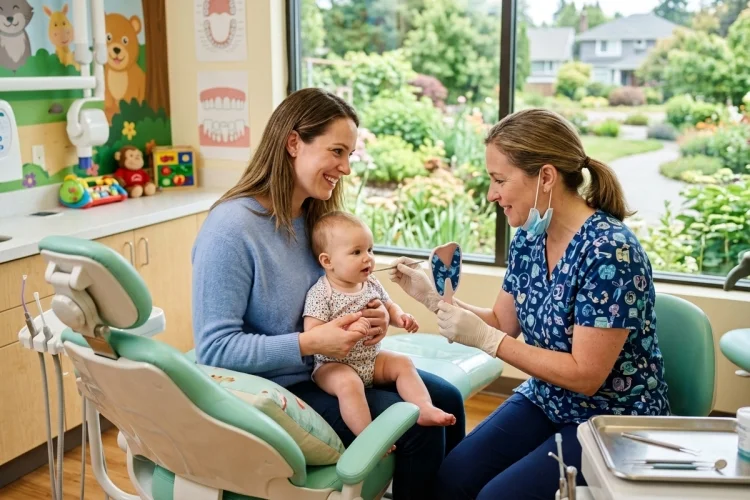
Your baby may have only one tiny tooth, so booking a dental appointment can feel surprisingly early. Many parents assume children do not need to see a dentist until they have a full set of teeth, start school, or complain about pain.
Dental experts recommend beginning much sooner. So, when should a child first visit the dentist? The usual advice is to schedule the first appointment within six months of the first tooth appearing and no later than the child’s first birthday.
This early check-up is less about complicated treatment and more about prevention, education, and helping your child become comfortable in a dental setting.
A dentist can check how the teeth and jaws are developing, look for early signs of decay, and answer questions about brushing, fluoride, feeding habits, teething, thumb-sucking, and pacifier use.
Starting early also establishes a “dental home”-an ongoing relationship with a dental practice that can support your child as they grow.
The Recommended Age for a First Dental Visit
The American Academy of Pediatric Dentistry recommends establishing a dental home within six months after the first tooth erupts and no later than 12 months of age. The American Dental Association and the CDC also advise parents to arrange a dental visit by the baby’s first birthday.
Think of the rule this way: first tooth, first visit-by age one at the latest.
For example, if your baby’s first tooth appears at six months, you should aim to schedule an appointment by around 12 months. If it appears earlier, you can book sooner.
If your child reaches their first birthday without any visible teeth, it is still sensible to speak with a dentist about whether an examination is needed.
The timing may feel early, but tooth decay can begin as soon as a tooth emerges. Baby teeth are not temporary placeholders that can be ignored; they help children chew, speak, smile, and maintain space for permanent teeth.
Why Does the First Visit Need to Happen So Early?
The first appointment focuses on preventing problems before they become painful. A baby cannot explain that a tooth feels sensitive, and early decay may not cause obvious symptoms.
The dentist can assess the child’s risk of early childhood caries, a form of tooth decay affecting infants and young children.
Risk may be influenced by feeding patterns, frequent sugary drinks, plaque buildup, fluoride exposure, dry mouth, medical conditions, or a family history of dental problems.
The visit is also an opportunity for parents to receive advice that matches their child’s needs. Online recommendations can be useful, but factors such as local water fluoride levels, diet, tooth development, and medical history may change what is appropriate.
Early visits can also normalize dental care. A calm preventive appointment is generally less frightening than a child’s first dental experience taking place during a painful emergency.
What Happens During a Baby’s First Dental Appointment?
A first dental visit is usually simple and relatively brief. The goal is to examine the mouth, discuss prevention, and help both the child and parent feel comfortable.
Young children may sit on a parent’s lap rather than sitting alone in the dental chair. In some practices, the dentist and parent use a knee-to-knee position so the child remains close to the caregiver while the dentist examines the mouth.
The dentist will normally look at the child’s teeth, gums, bite, jaw, and oral tissues. They may check for early decay, enamel problems, injuries, unusual tooth development, or signs that plaque is collecting around the gumline.
Depending on the child’s age and needs, the dental team may clean the teeth or recommend fluoride varnish. Parents may also receive a demonstration of how much toothpaste to use and how to position the toothbrush.
Do not worry if your child cries or moves around. A dental office is unfamiliar, and this reaction is common. The team is usually more concerned with safely completing the examination than expecting a baby to remain perfectly still.
Questions Parents Can Ask the Dentist
The first visit is as much for parents as it is for children. It is a good time to discuss anything that feels confusing about infant oral care.
You can ask when to begin fluoride toothpaste, how much to use, and whether your local drinking water contains fluoride. You may also want guidance about bottle-feeding at bedtime, breastfeeding after teeth erupt, snacks, juice, teething discomfort, thumb-sucking, or pacifier habits.
Tell the dentist about any medicines your child takes, medical conditions, allergies, previous mouth injuries, or unusual changes you have noticed. Even something that appears minor, such as a spot on a tooth or delayed eruption, may be useful information.
Before leaving, ask when the next appointment should take place. Many children are seen at six-month intervals, but the ideal schedule should be based on their personal risk and development rather than a one-size-fits-all timetable.
How to Prepare Your Child for the First Visit
Choose an appointment time when your child is normally awake, rested, and cooperative. Scheduling during naptime or just before a meal may make the experience more difficult.
Keep your explanation simple and positive. You might say, “The dentist is going to count your teeth and help keep them healthy.” Avoid introducing frightening ideas such as drilling, injections, or pain when these have not been mentioned by the dentist.
Practising at home can help. Ask your child to open their mouth while you gently count their teeth. Reading a picture book about visiting the dentist may also make the setting feel more familiar.
Bring information about your child’s health, medications, allergies, and feeding routine. You can also prepare a short list of questions so you do not forget them during the appointment.
Try to manage your own anxiety as well. Children often notice a parent’s nervous tone or body language. Treating the visit as a normal part of staying healthy can help create a calmer experience.
What If Your Child Is Already Older Than One?
Do not feel guilty or avoid making an appointment because the recommended age has passed. Many parents are unaware that dental care should begin during infancy.
Book the earliest practical appointment and tell the dental practice that it will be your child’s first visit. The team can explain what to expect based on the child’s age and comfort level.
An older toddler may be able to sit in the chair, answer simple questions, and participate in brushing demonstrations. However, the dentist may adjust the examination if the child feels anxious.
Delaying further because the “ideal” time has passed only increases the chance that a hidden problem could worsen. Starting now is more useful than worrying about when the first appointment should have happened.
Signs That Mean You Should Not Wait
The age-one recommendation applies to routine preventive care. Certain symptoms require an earlier or more urgent assessment.
Contact a dentist if you notice white, brown, or black areas on a tooth; a chipped or injured tooth; swollen or bleeding gums; persistent bad breath; or visible holes.
Difficulty eating, unexplained crying during meals, sensitivity, or repeatedly touching one side of the mouth may also suggest discomfort.
Facial swelling, fever with dental pain, pus near a tooth, difficulty swallowing, or trouble breathing requires urgent professional attention. These symptoms may indicate an infection rather than a routine teething problem.
Teething commonly causes drooling, gum tenderness, and a desire to chew. It should not normally cause visible tooth damage, major facial swelling, or severe ongoing pain.
Building Healthy Habits After the Appointment
Begin cleaning a baby’s mouth before teeth erupt by gently wiping the gums with a clean, damp cloth. Once the first tooth appears, brush twice a day using an age-appropriate soft toothbrush.
Follow professional guidance about fluoride toothpaste. Parents should perform or closely supervise brushing because young children do not yet have the coordination to clean every surface effectively.
Avoid putting a child to bed with a bottle containing juice, sweetened milk, or another sugary drink. Frequent exposure allows oral bacteria to produce repeated acid attacks against the teeth.
Water is generally the best everyday drink between meals once it is developmentally appropriate. Regular brushing, sensible feeding habits, fluoride protection, and preventive dental visits work together; no single habit can replace the others.
A child should normally first visit the dentist within six months of their first tooth appearing and no later than their first birthday.
This early appointment allows the dentist to check development, identify decay risks, guide parents, and establish a positive foundation for future care.
The visit is usually simple and preventive rather than treatment-focused. Your child may sit on your lap while the dentist checks their teeth, gums, jaw, and oral tissues.
Do not wait for pain or a visible cavity before making contact. Once the first tooth arrives-or the first birthday approaches-find a child-friendly dental practice and schedule an appointment.
Beginning early can make oral care feel normal while helping protect your child’s smile from the start.