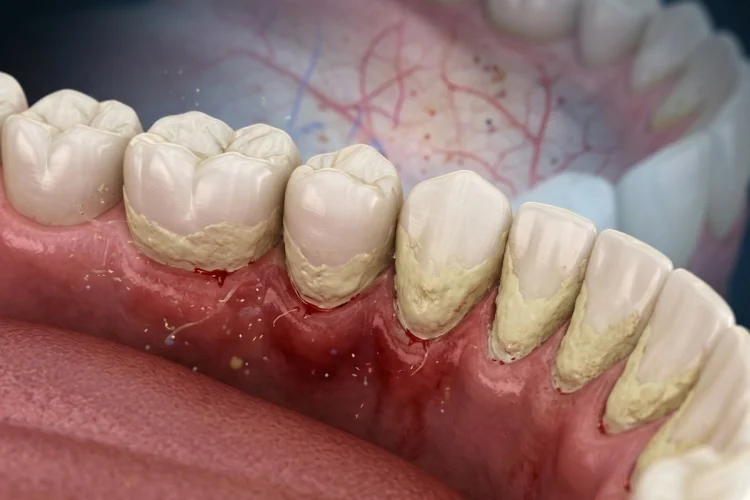
Bleeding gums are easy to dismiss. You may assume that you brushed too hard, used floss incorrectly, or irritated your mouth while eating. However, regular bleeding can be one of the earliest signs that your gums are becoming inflamed.
So, what is gum disease and how does it begin? Gum disease, also known as periodontal disease, is a group of conditions involving inflammation or infection in the tissues that surround and support your teeth.
It usually starts when dental plaque builds up near the gumline. In its earliest form, called gingivitis, the gums may look red, feel tender, or bleed during brushing.
At this stage, the condition can often be reversed with better oral hygiene and professional care. If it continues untreated, however, it may progress to periodontitis, which can damage the bone and tissues holding the teeth in place.
Understanding this process makes it easier to notice problems early and protect your gums before permanent damage occurs.
What Is Gum Disease?
Gum disease affects the gums and other structures that keep your teeth stable. These supporting tissues include the periodontal ligament, the root surface, and the bone surrounding each tooth.
The two most common stages are gingivitis and periodontitis. Gingivitis affects the gums at the surface, while periodontitis involves deeper tissue destruction and bone loss around the teeth.
Gum disease is extremely common. The World Health Organization estimates that severe periodontal diseases affect more than one billion people worldwide. In advanced cases, the gums may pull away from the teeth, supporting bone may be lost, and teeth can eventually become loose.
Despite its name, gum disease does not always cause obvious pain. It may become serious before a person realizes anything is wrong, which is why routine dental examinations remain important.
How Gum Disease Begins With Dental Plaque
1. Plaque Forms Along the Gumline
Dental plaque is a soft, sticky film containing bacteria and food particles. It continually forms on the teeth, including around the gumline and in spaces that toothbrush bristles may not reach.
When plaque is not removed regularly, bacteria and their by-products irritate the gums. The immune system responds with inflammation, which may cause redness, swelling, tenderness, and bleeding.
For example, someone who regularly rushes through brushing may clean the front surfaces but miss plaque behind the lower teeth or between the molars. Those neglected areas can remain inflamed even when the rest of the mouth feels clean.
2. Plaque Can Harden Into Tartar
Plaque is removable with effective brushing and interdental cleaning. However, plaque that remains for too long can absorb minerals from saliva and harden into tartar, also called calculus.
Tartar creates a rough surface where additional plaque can collect. Unlike soft plaque, it cannot be removed with an ordinary toothbrush or dental floss. It must be cleaned away professionally by a dentist or dental hygienist.
Gingivitis: The Earliest Stage of Gum Disease
Gingivitis is the mildest form of periodontal disease. It develops when plaque-related inflammation affects the gums without destroying the deeper bone and connective tissues.
Typical signs include gums that appear red or swollen and bleed easily during brushing or flossing. Some people also notice tenderness, persistent bad breath, or an unpleasant taste. Others experience no clear symptoms.
Healthy gums should not regularly bleed during gentle cleaning. A small amount of bleeding when you first begin flossing may improve as inflammation decreases, but repeated or unexplained bleeding should not simply be ignored.
The encouraging part is that plaque-related gingivitis is generally reversible. Consistent brushing, daily cleaning between the teeth, and professional removal of tartar can allow the gums to recover.
How Gingivitis Can Progress to Periodontitis
1. Periodontal Pockets Begin to Form
When gingivitis remains uncontrolled, bacteria may spread beneath the gumline. The gum tissue can start pulling away from the tooth, creating an abnormally deep space known as a periodontal pocket.
These pockets are difficult to clean with a normal toothbrush. Bacteria, tartar, and inflammatory substances can become trapped below the gums, allowing the disease to affect deeper supporting tissues.
2. Bone and Tissue Can Be Permanently Damaged
Periodontitis is the advanced stage of gum disease. The body’s prolonged inflammatory response contributes to the breakdown of the connective tissue and bone that hold the teeth in their sockets.
Unlike gingivitis, periodontitis cannot be completely reversed once supporting bone has been lost. Professional treatment can slow or control the condition, reduce infection, and help prevent further destruction.
Without treatment, teeth may shift, become loose, or eventually require removal. Severe periodontal disease can also make chewing uncomfortable and affect speech, confidence, and food choices.
Early Warning Signs You Should Notice
Bleeding during brushing or flossing is one of the best-known warning signs, but it is not the only one. Gums may become red, puffy, shiny, sore, or unusually sensitive.
Persistent bad breath can also occur because bacteria and debris remain around or below the gumline. Gum recession may make the teeth appear longer and expose sensitive root surfaces.
More advanced symptoms can include discomfort when chewing, pus between the gums and teeth, loose teeth, new spaces between teeth, or a change in how your bite feels. These signs require professional assessment rather than home treatment alone.
Remember that smoking can sometimes reduce visible gum bleeding by affecting blood flow. A smoker may therefore have significant periodontal disease without noticing one of its most familiar warning signs.
Who Is More Likely to Develop Gum Disease?
Poor plaque control is the main reason gum inflammation begins, but several factors can increase the risk or make the condition more difficult to manage.
Smoking is one of the most significant risk factors. It increases the likelihood of severe periodontal disease and can make treatment less successful. Diabetes is another important factor because elevated blood sugar can affect the body’s ability to respond to infection and heal damaged tissues.
Hormonal changes during pregnancy or menopause may make gums more sensitive to plaque. Genetics, stress, certain medications, crooked teeth, teeth grinding, poor nutrition, and conditions affecting the immune system may also influence a person’s risk.
Having a risk factor does not mean gum disease is unavoidable. It may simply mean that more careful home care, professional cleaning, and frequent monitoring are necessary.
How Dentists Diagnose and Treat Gum Disease
A dentist or dental hygienist will examine the color, shape, and condition of your gums. They may use a small periodontal probe to measure the spaces between your gums and teeth.
Healthy gum pockets are usually between one and three millimeters deep. Deeper measurements, bleeding during probing, and dental X-rays showing bone loss can help identify periodontal disease.
Early gingivitis may improve with professional cleaning and better home care. More advanced disease may require scaling and root planing, sometimes called deep cleaning, to remove plaque and tartar from below the gumline.
Depending on the severity, treatment may also involve medication, periodontal surgery, or referral to a gum specialist known as a periodontist. The main goal is to control infection and prevent additional tissue and bone loss.
How to Protect Your Gums Every Day
Brush twice daily with fluoride toothpaste, using gentle circular movements and angling the bristles toward the gumline. Clean every surface rather than scrubbing only the visible front teeth.
Clean between your teeth once a day with floss, interdental brushes, or another dentist-recommended device. This matters because an ordinary toothbrush cannot fully reach the narrow spaces where plaque often remains.
Avoid smoking and attend professional dental cleanings at intervals recommended for your personal risk. People with diabetes, a history of periodontitis, pregnancy-related gum problems, or difficulty cleaning their teeth may need more frequent appointments.
See a dentist when your gums repeatedly bleed, remain swollen or painful, or begin pulling away from your teeth. Loose teeth, severe swelling, mouth lumps, and unexplained red patches deserve prompt attention.
Gum disease begins when bacterial plaque remains around the teeth and irritates the gumline. The first stage, gingivitis, may cause redness, swelling, bleeding, and bad breath. With timely cleaning and improved oral hygiene, this early inflammation can often be reversed.
When the condition progresses to periodontitis, bacteria and inflammation begin damaging the tissues and bone supporting the teeth. That damage is permanent, although professional care can help control the disease and prevent it from worsening.
Do not treat bleeding gums as a normal part of brushing. Clean your teeth and interdental spaces consistently, avoid tobacco, and arrange regular dental examinations. Book a dental appointment when gum changes persist so the problem can be identified and managed as early as possible.